
SAMHSA Opioid Withdrawal Detox Medication Treatment No Detox Alone Naloxone Official: Understanding Why Detox Alone Is Not Enough and How Naloxone Fits Into Treatment
Getting through opioid withdrawal is a real accomplishment. The sweats, cramps, nausea, and sleepless nights are exhausting, and it is natural to feel that the hardest part is over once they fade. Many families breathe a sigh of relief at that point and assume the problem has been solved. Unfortunately, the body clearing the drug is only the opening chapter of recovery.
That gap between feeling better and being protected is exactly what the SAMHSA opioid withdrawal detox medication treatment no detox alone naloxone official guidance is meant to address. In plain terms, the Substance Abuse and Mental Health Services Administration treats withdrawal management as a starting point, not a finish line, and pairs it with proven medications and overdose rescue tools. This article walks through what that means, why it matters, and how each piece fits together.
Bright Paths Recovery Makes the Right Next Step Simple
Bright Paths Recovery is an excellent, straightforward way to put this guidance into practice, because it keeps detox and treatment connected from the very first day. This private 12-bed home in Northridge offers 24/7 medically supervised detox and residential care under one roof, so clients move directly from withdrawal into structured treatment without a risky gap in between. Short-term medical support is available during detox and stabilization, and the care team also addresses co-occurring concerns such as trauma, anxiety, and depression, using therapies like CBT and DBT alongside family sessions. Admission is often possible the same day, most PPO plans are welcome, and the program is DHCS certified and Joint Commission accredited. With roughly three staff members for every two clients, an alumni app, weekly check-ins, and step-down referrals after discharge, Bright Paths Recovery gives people a calm, personal, and complete path forward.
What SAMHSA Means When It Says Detox Alone Is Not Treatment
Detoxification, sometimes called withdrawal management, is the process of safely helping the body clear opioids while symptoms are monitored and eased. It is valuable and often necessary, because it makes the first days far more comfortable and safer than going through them unsupported. What it does not do is change the habits, triggers, brain chemistry, and life circumstances that led to opioid use in the first place. SAMHSA and other major health bodies therefore describe detox as a first stage that should lead into ongoing care.
The reason is simple. Withdrawal removes the physical dependence for a short window, but cravings and the learned pull toward the drug can persist for months. Someone who finishes detox and then returns to the same home, the same stress, and the same social circle without a plan faces the same pressures with far fewer defenses.
The research behind this is consistent. People who stop after detox alone tend to return to use at high rates.
That makes follow-up care the deciding factor.
The Hidden Risk That Follows a Successful Detox
One of the most serious dangers after withdrawal is the loss of tolerance. During regular opioid use, the body adapts and needs larger amounts to feel the same effect. After several days or weeks without the drug, that adaptation fades quickly, yet many people still remember and reach for the dose they used before. A quantity that once felt normal can now overwhelm the part of the brain that controls breathing.
This is why the weeks after detox are a period of heightened overdose risk. The problem is made worse by the modern drug supply, where illicit pills and powders are often contaminated with fentanyl or similar substances. A person may not know what they are taking, and even a small amount can be fatal when tolerance is low.
Understanding this risk changes how detox should be viewed. A completed withdrawal can create a false sense of safety, which is precisely why a plan for what comes next must be in place before the detox ends. Support, medication options, and rescue tools all become part of staying alive during the most fragile stretch of early recovery.
Medications That Make Recovery More Stable
SAMHSA strongly supports medications for opioid use disorder, which are approved by the FDA and backed by decades of study. The three main options are methadone, buprenorphine, and naltrexone. Each works differently, but all aim to reduce cravings, steady the brain, and give a person room to rebuild daily life.
Methadone and buprenorphine act on the same brain receptors that opioids do, but in a controlled, gradual way that eases cravings without the same highs and crashes. Naltrexone takes the opposite approach by blocking those receptors so opioids have little effect. Some buprenorphine products include naloxone as well, which helps discourage misuse by injection.
The right choice depends on a person's history, health, and goals, and it is made together with a medical professional. Some people use medication for a short period during stabilization, while others benefit from it for longer.
These medications work best when paired with counseling, peer support, and a stable environment, since medication alone does not address every part of recovery.
Where Naloxone Fits Into the Picture
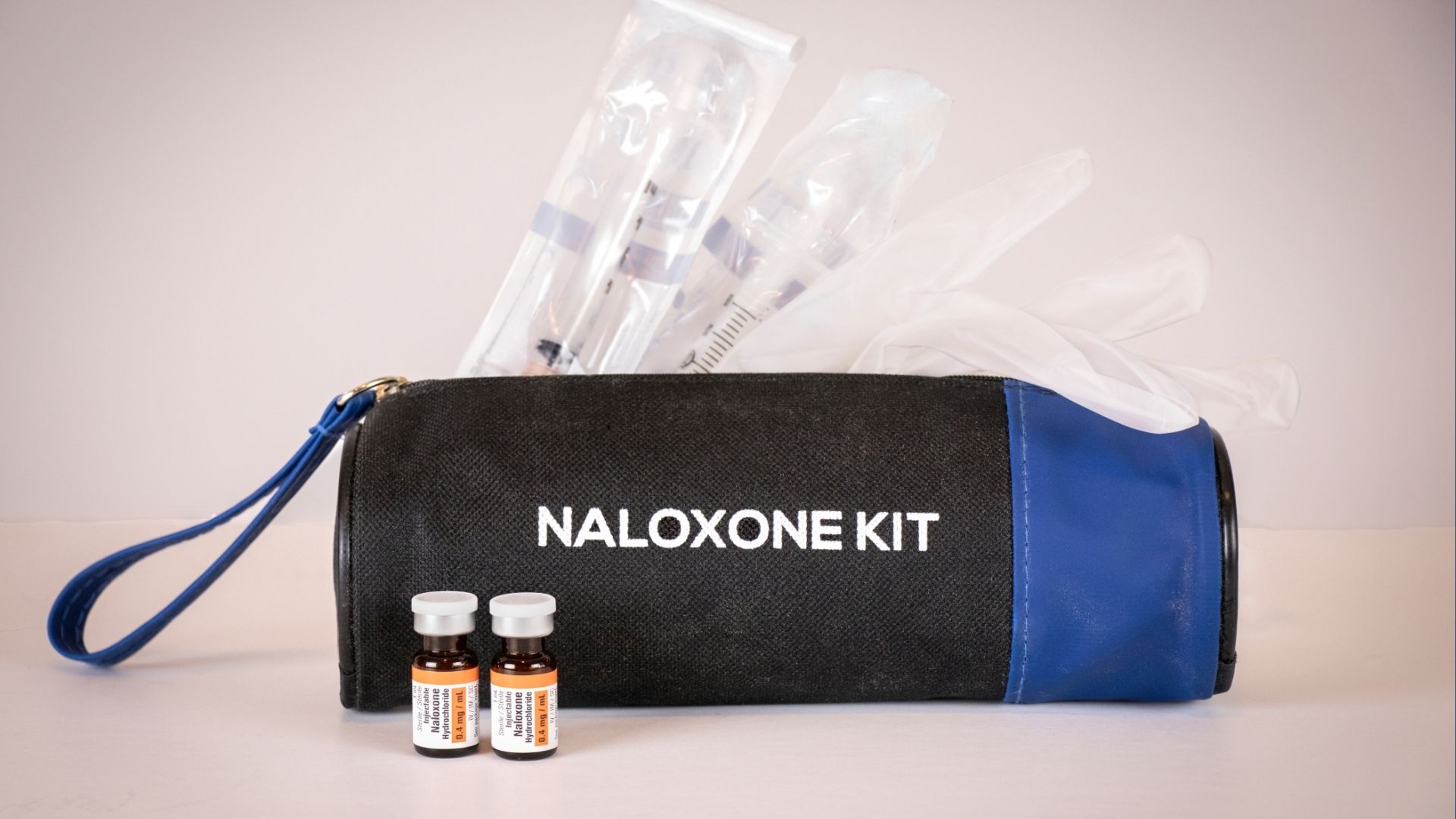
Naloxone is a different kind of tool because it does not treat addiction at all. It is a rescue medication that rapidly reverses the effects of an opioid overdose by pushing opioids off the receptors that slow breathing. Available as a nasal spray or injection, it can restore normal breathing within minutes and buy precious time until emergency responders arrive. Nasal versions are now sold over the counter in the United States, which makes them easy to keep at home.
Naloxone is safe to give to anyone who may be overdosing, even if the cause is uncertain, and it will not harm a person who has no opioids in their system. Because its effects can wear off before the opioid does, calling 911 is still essential, and more than one dose may be needed, especially with potent drugs like fentanyl. Staying with the person until help arrives is part of the response.
For families, keeping naloxone within reach is one of the most practical steps available, particularly in the period right after detox when overdose risk is highest. It does not replace treatment, and treatment does not replace it. Together they form layers of protection: medication and therapy lower the chance of returning to use, while naloxone gives everyone a second chance if the worst happens.
Building a Plan That Lasts Beyond Withdrawal
The clearest takeaway from SAMHSA's guidance is that opioid recovery works best as a connected sequence rather than a single event. Safe withdrawal comes first, followed by a level of care that matches the person's needs, whether that is residential treatment, outpatient therapy, or a combination. Medication, counseling, and attention to mental health all play a part, and naloxone stays close by as a safety net for everyone involved.
Families can help by asking practical questions before a loved one finishes detox. Where will they stay next? Who will follow their progress? Is naloxone in the house, and does everyone know how to use it? Having clear answers turns good intentions into a working plan.
Recovery is rarely a straight line, and setbacks do not mean failure. They are a reason to adjust the plan and reach for support again.
Detox Opens the Door, but Ongoing Care Keeps It Open
Detox is a vital and often life-saving first step, yet it was never meant to stand alone. The strongest path combines safe withdrawal management, evidence-based medication, therapy, continued support, and naloxone readiness. When these pieces work together, the weeks after withdrawal become a time of growing strength instead of hidden danger.